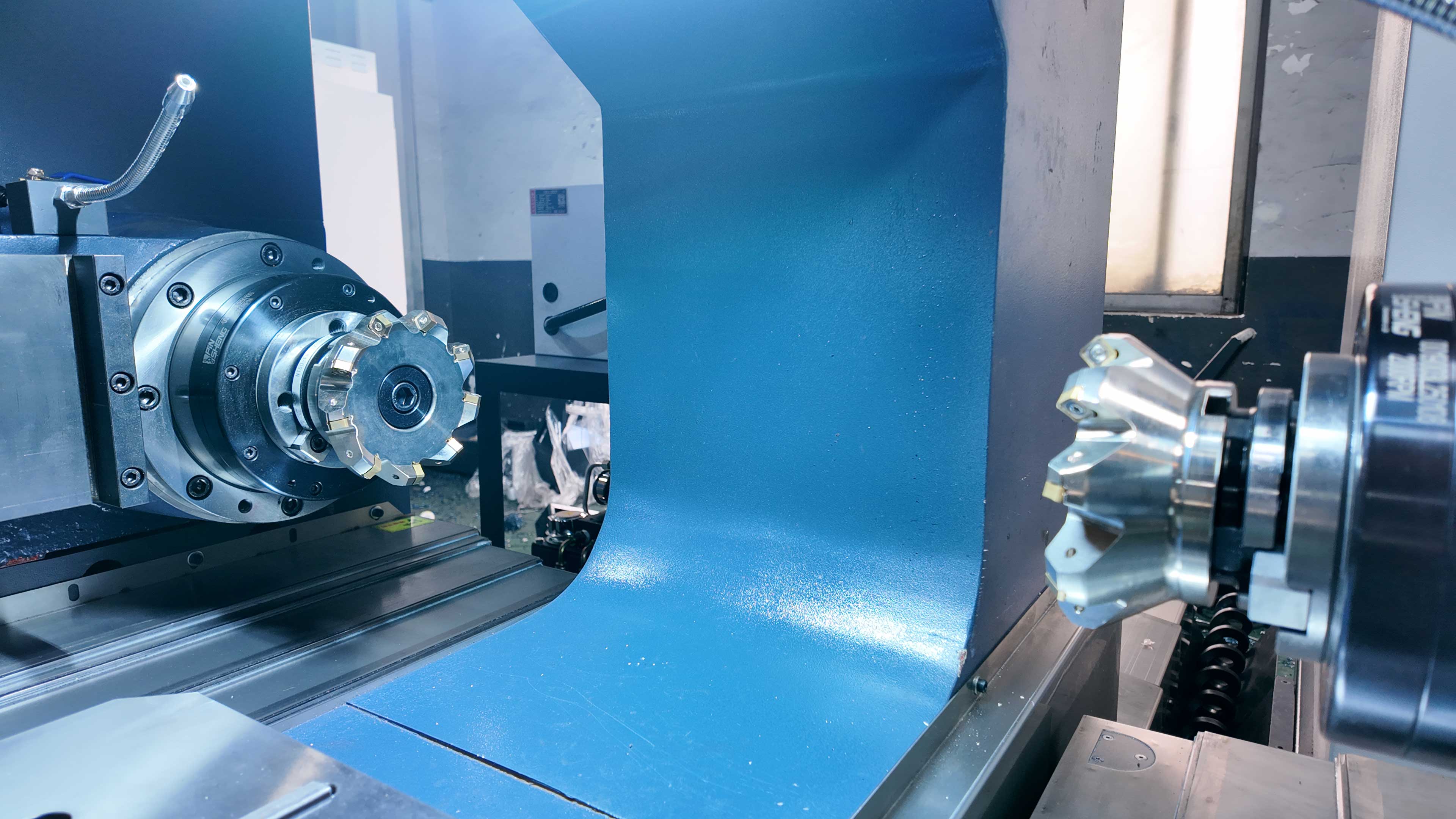
The Rise of China's CNC Machinery: Reshaping the Global Manufacturing Landscape
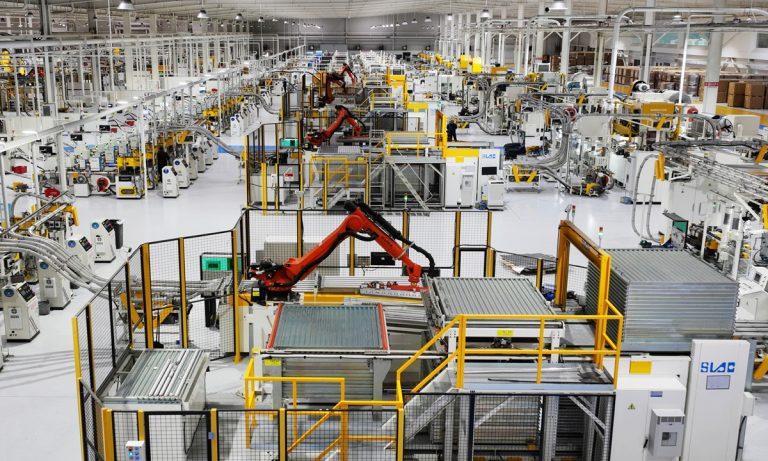
I. The Development Journey and Driving Forces of China's CNC Industry
To understand its global impact, one must first understand its development path:
Initial Introduction and Learning (Around 2000): China primarily imported high-end equipment and absorbed the technology through technical cooperation and reverse engineering. Products at this stage were mainly low-to-mid-range machines focused on low cost and basic functionality.
Scale Expansion and Market Penetration (2000-2010): Leveraging a massive domestic market, cost advantages, and a flexible supply chain, Chinese CNC manufacturers rapidly scaled up production. Their products began to be exported in large quantities to emerging markets in Southeast Asia and the Middle East.
Technology Catch-up and Brand Upgrading (2010-Present): Guided by national policies like "Made in China 2025," leading companies such as Shenyang Machine Tool, Dalian Machine Tool, and Wuhan Huazhong Numerical Control increased R&D investment. They made breakthroughs in core technologies like five-axis linkage, high-speed and high-precision machining, and multi-tasking, beginning to move into the mid-to-high-end market.
Key Drivers: A vast domestic market, a complete industrial system, strong cost-control capabilities, proactive industrial policies, and relentless technological innovation.
II. Profound Impacts on the World
The rise of China's CNC machinery has had five major impacts on the globe:
1. Significantly Lowered the Barrier to Entry for Global Manufacturing
This is the most direct and notable impact. Before the widespread availability of Chinese CNC machines, high-precision equipment was primarily supplied by traditional industrial powers like Germany, Japan, and the US at premium prices. The entry of Chinese brands enabled small and medium-sized enterprises (SMEs) and even startups to acquire capable machining equipment at an affordable cost.
Impact: It spawned countless small workshops, maker spaces, and startup manufacturing firms worldwide, fueling the trend of "distributed manufacturing" and "democratization of manufacturing." The cost of global innovation and prototyping was dramatically reduced.
2. Reshaped Global Industrial Chains and Division of Labor
The cost-performance advantage of Chinese CNC machinery made it the preferred choice for global manufacturers, particularly in consumer electronics, home appliances, and automotive parts, when expanding production capacity. This, in turn, reinforced China's position as the "World's Factory" and deepened the global industrial chain's integration.
Impact:
Strengthened Regional Supply Chains in Asia: Many manufacturing industries in Southeast Asian countries also heavily use Chinese CNC equipment, forming a regional supply chain network centered on China.
Altered Global Division of Labor: Developed countries focused more on design, core software, ultra-high-precision machine tools, and advanced materials, while China and its supply chain undertook large-scale, high-efficiency manufacturing, constantly moving upstream through advances in CNC technology.
3. Accelerated the Global Proliferation and Iteration of CNC Technology
Fierce market competition forced global CNC giants to rethink their strategies. Chinese manufacturers compete not only on price but also quickly adopt trends in smartization, servitization, and customization.
Impact:
Spurred Innovation Among Global Giants: To maintain technological leadership, companies like DMG MORI, Mazak, and Fanuc had to accelerate innovation in automation, digital factories (Industry 4.0), and smart solutions.
Influenced Technological Standards: China's massive market volume gives it a certain influence over usage habits and interface standards, indirectly shaping the global development path of related technologies.
Promoted Technology Diffusion: It enabled manufacturing sectors in more developing countries to access digital manufacturing technology, accelerating the global pace of industrialization.
4. Triggered a Dramatic Shift in the Global Competitive Landscape
The rise of Chinese CNC machinery has fundamentally altered the once-stable market dominated by traditional industrial powers.
Impact:
Reallocation of Market Share: Chinese brands now dominate the low-to-mid-range market and are continuously eroding the mid-to-high-end market share.
Diversification of Competition: Competition has expanded from pure equipment performance and precision to all-around comparisons of price, after-sales service, integrated solutions, and compatibility with automated production lines.
Coopetition: There is now more Sino-foreign technical cooperation, joint ventures, and deep customization for specific applications, making the relationship more complex.
5. Dual Impact on Developed and Developing Countries
For Developed Countries (e.g., Germany, Japan, USA):
Challenge: Loss of market share in the low-to-mid range, threatening traditional advantages. Concerns over intellectual property protection and technology drainage.
Opportunity: Forces industrial upgrading and a focus on "irreplaceable" cutting-edge fields. Simultaneously, China's huge market offers a vast space for their high-end products.
For Developing Countries (e.g., Vietnam, India):
Opportunity: Ability to acquire the equipment necessary for industrialization at a lower cost, accelerating the development of their local manufacturing sectors.
Challenge: Their nascent local machine tool industries face intense pressure from Chinese products, making it difficult to grow.
III. Challenges and Future Outlook
The development of China's CNC machinery is not without its challenges:
Dependence on Core Technologies: There is still significant reliance on foreign brands for core components like high-performance CNC systems, high-end servo drives, precision bearings, and special materials.
Brand Perception: A gap remains compared to top German and Japanese brands in terms of ultra-high precision, extreme stability, and top-tier reliability. Building brand value takes time.
Global Supply Chain Risks: Geopolitical tensions and trade frictions could disrupt the supply of core components and technological exchange.
Future Outlook:
Intelligentization and Integration: Chinese CNC companies are actively investing in smart CNCs and Industrial Internet platforms, turning equipment into data nodes and providing digital solutions for the entire production process.
Specialization and Customization: Developing highly specialized and customized CNC solutions for specific industries like new energy vehicles, aerospace, and 3C electronics.
Global Service Networks: Transitioning from "selling products" to "selling services," establishing global after-sales, technical support, and training networks is key to winning trust in the high-end market.
Conclusion
The development of China's CNC machinery is a classic case of "Chinese-style" industrial catch-up. Using the sharp blade of "cost-performance," it pried open the door to the global market, profoundly democratizing manufacturing capabilities and allowing more players to join the global manufacturing game. It has brought both competitive pressure and opportunities for cooperation; it has reshaped global industrial chains and promoted the widespread adoption of technology.
Looking ahead, if China's CNC industry can successfully break through the bottlenecks in core technology and establish a solid brand reputation in the high-end market, its role will further evolve from a "landscape disruptor" to one of the "leaders in global technological innovation," working with global partners to shape the future of next-generation smart manufacturing.
Step into a New Era of Precision Manufacturing? BOHO High-Rigidity Gantry Milling Machine is Your Strategic Investment for Capacity Upgrade!
In the mold steel processing industry, how to improve the efficiency of mould milling is always a major issue.
Related Article